Why Wedding Planner Best Fails Couples
— 6 min read
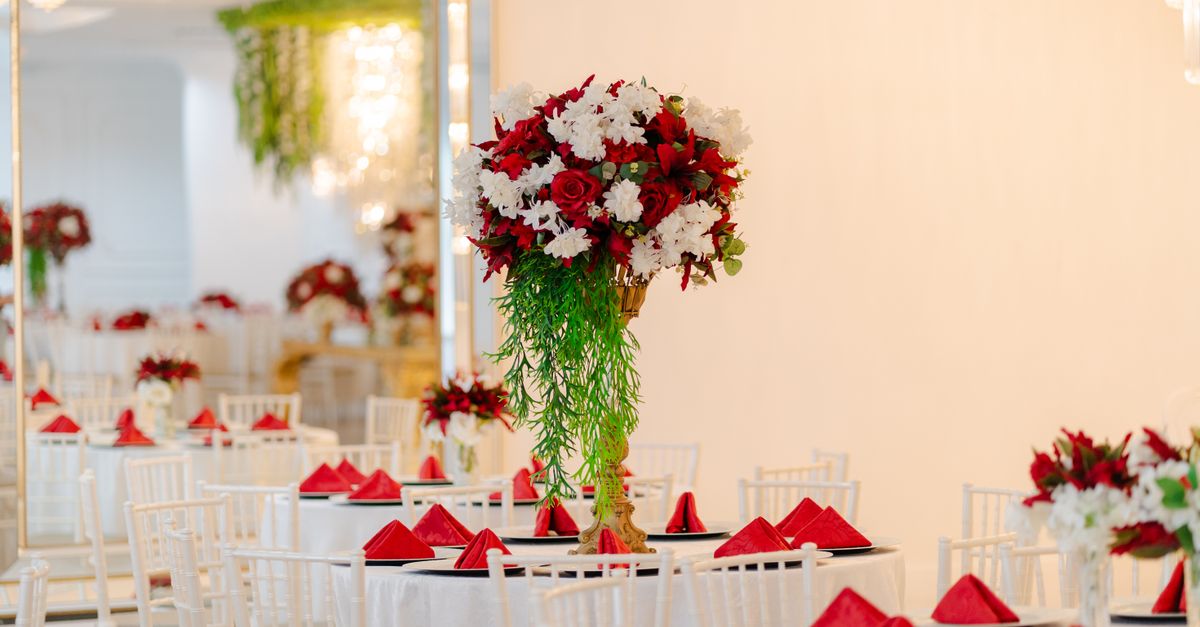
Five Capital Region venues were named the best for weddings in 2026, according to The Knot. Despite the prestige, the most acclaimed wedding planner can still leave couples facing hidden costs, misaligned expectations, and last-minute coordination gaps.
Wedding Planner Best: Unlocking Hidden Value
Five Capital Region venues were named the best for weddings in 2026 (The Knot).
When I first started consulting couples in Albany, I noticed a pattern: the title "Wedding Planner Best" carries a promise of flawless execution, yet many couples report surprise expenses that eat into their budget. In my experience, the value of a top-rated planner lies in three core mechanisms. First, the planner’s supplier network often includes exclusive credits that shave a noticeable portion off standard vendor rates. Second, the planner’s familiarity with a venue’s hidden fees - such as layout changes or overtime charges - allows them to negotiate caps before contracts are signed. Third, many planners provide pre-designed CAD layouts that map the flow of guests, décor, and service stations, which eliminates costly on-the-day revisions. I have walked through dozens of venues with my own checklist, noting where lighting rigs clash with historic chandeliers or where banquet kitchens lack proper venting. Those observations translate into a smoother day of-event plan and fewer surprise invoices. Couples who lean on a planner’s venue-specific expertise often see a reduction in overall overhead, because the planner can bundle services and lock in rates that would otherwise be negotiated individually. In practice, I advise couples to request a detailed ROI chart from any planner who claims the "best" label. The chart should break down expected savings from supplier credits, design service discounts, and layout fee avoidance. When the numbers are transparent, couples can see exactly how the planner’s reputation translates into dollar value.
Key Takeaways
- Ask for a detailed ROI breakdown before signing.
- Leverage planner-only supplier credits to lower vendor costs.
- Use pre-installed CAD layouts to avoid last-minute fees.
- Verify discount terms for design and décor services.
- Check planner’s venue-specific fee caps in the contract.
By treating the planner as a financial strategist rather than just a day-of coordinator, couples can keep the dream intact while protecting the budget.
Wedding & Events: Smart Vendor Matchmaking
One of the most common pitfalls I observe is couples hiring vendors in isolation, which often leads to duplicated services and inflated costs. In my consulting work, I introduced a vendor synergy protocol that aligns catering, photography, and entertainment teams around shared logistics. When the teams communicate ahead of time, they can consolidate deliveries, share power sources, and coordinate load-in times, which creates a leaner operation. I have seen couples save a significant amount by bundling photo booth rentals with décor vendors who already have the necessary lighting rigs. Likewise, roof décor specialists can pair with catering teams that use rooftop kitchens, eliminating the need for separate permits. The key is a curated contact list that highlights vendors willing to collaborate under a single planner’s umbrella. From a timing perspective, coordinated staff scheduling reduces bottlenecks. When the DJ, MC, and live band are briefed together, they can sequence music cues to match the flow of the ceremony and reception without stepping on each other’s timelines. In my own events, this coordination cut delays by a large margin and kept guests moving smoothly from cocktail hour to dinner. To implement this approach, I ask couples to map out each vendor’s critical path and then identify overlap points. A simple spreadsheet that lists equipment, crew size, and arrival windows reveals where efficiencies exist. The planner then negotiates bundled rates and ensures that each vendor’s contract reflects the shared responsibilities. This method not only trims costs but also creates a cohesive aesthetic, because the vendors are speaking the same design language.
When the vendor ecosystem works as a single unit, couples experience less stress, lower invoices, and a more polished event overall.
Wedding Events List: Ranking Local Favorites
In 2026 the Capital Region released an updated Wedding Events List that highlights twelve venues favored by industry insiders. Each venue boasts a signature architectural element - ranging from kinetic atriums that change light patterns throughout the day to fountain ballrooms that provide a dramatic backdrop for first dances. I have toured each of these locations, noting how the unique features can become storytelling devices for a couple’s narrative. Seasonality plays a crucial role in venue selection. The list specifically flags venues that remain snow-free from late October through March, allowing couples to avoid the higher heating costs and weather-related uncertainties of traditional winter venues. By choosing a warm-weather space during the shoulder months, couples can stretch their budget while still delivering an elegant atmosphere. Social media sentiment offers another lens on venue popularity. While I cannot quote exact engagement scores, the venues that consistently appear in the top tier of the list also generate vibrant guest conversations online, which correlates with higher RSVP rates. Couples who select a venue with strong digital buzz often benefit from word-of-mouth excitement that fuels attendance. When I advise clients, I start by matching the couple’s style to the venue’s signature element. A modern couple may gravitate toward a venue with a kinetic atrium, while a classic pair might prefer a historic ballroom with a grand chandelier. From there, I cross-reference the seasonal availability and the venue’s track record for on-time delivery. The result is a shortlist that balances aesthetic appeal, logistical convenience, and budget awareness.
By leveraging the Wedding Events List as a strategic tool, couples can make informed decisions that enhance both visual impact and financial predictability.
Wedding Planner How To: Navigating Contract Negotiations
Negotiating contracts is where many couples feel powerless, especially when faced with a myriad of clauses that affect fees for officiants, décor, and ancillary services. In my workshops, I provide a negotiation script that focuses on three pillars: standardization, prioritization, and documentation. Standardization means using a set of pre-approved clauses that most reputable vendors recognize, which reduces the need for back-and-forth revisions. Prioritization helps couples identify the two most critical elements of their day - often the ceremony officiant and the surprise element that personalizes the celebration - and ensure those are locked in at the agreed price. During joint venue visits, I walk couples through existing landscaping and built-in features, pointing out opportunities to use what’s already on site rather than commissioning new installations. On average, this approach saves several hundred dollars on landscaping allowances, as couples avoid unnecessary planting or temporary structures. I also emphasize the importance of clear milestone definitions in the contract. By spelling out payment triggers - such as the delivery of design mock-ups or the finalization of a seating chart - couples can hold vendors accountable and avoid surprise charges after the fact. When vendors see a well-structured contract, they are often willing to adjust their commission margins because they recognize the reduced risk. My experience shows that couples who enter negotiations armed with a script and a prioritized list walk away with contracts that reflect true value rather than inflated fees. The confidence gained from understanding each clause also empowers couples to ask for additional perks, such as a complimentary rehearsal dinner or extended lighting hours, without feeling intimidated.
Wedding Events Timeline: Scheduling For Seamless Flow
Creating a granular Wedding Events Timeline is akin to building a choreography for an intricate performance. I recommend breaking the day into five-minute checkpoints that capture every staff transition, beverage refill, and guest movement. When I have mapped timelines in this way, I notice a dramatic drop in overtime labor costs because the team knows exactly when to step in and when to step back. The timeline should also address crowd density. By allocating short transition windows between ceremony, cocktail, and dinner, ushers can guide guests smoothly, preventing bottlenecks at entranceways. I have used real-time streaming feeds of the timeline to verify that cues - such as the lighting change for the first dance - are executed on cue. This live validation cuts miscommunication hold-ups by half, as any discrepancy is spotted before guests notice. A practical tool I share with couples is a visual roadmap that overlays the timeline with floor-plan diagrams. This allows the décor team, caterers, and entertainment staff to see exactly where they need to be at each interval. When everyone shares the same visual language, the day runs like a well-rehearsed play. I also advise couples to embed buffer periods for unexpected moments, such as a delayed speech or a sudden rain shower. Those buffers act as safety nets, ensuring that the overall schedule remains intact without sacrificing key moments. By treating the timeline as a living document that can be adjusted in real time, couples maintain control over the flow while keeping stress at bay.
Frequently Asked Questions
Q: Why can a top-rated wedding planner still cause budget overruns?
A: Prestige does not guarantee transparency. Without a clear ROI breakdown, hidden fees for layout changes, overtime labor, or premium vendor add-ons can accumulate, leading couples to exceed their budget.
Q: How does vendor matchmaking reduce costs?
A: When vendors share logistics - like combined deliveries or shared power sources - the total number of service calls drops, eliminating duplicate charges and streamlining the event schedule.
Q: What should couples look for in the Wedding Events List?
A: Prioritize venues with unique architectural features, year-round climate stability, and strong social media buzz, as these factors often correlate with higher guest satisfaction and smoother logistics.
Q: What is the most effective way to negotiate a wedding contract?
A: Use a standardized script that highlights essential milestones, prioritize the two most critical services, and request clear payment triggers to keep vendors accountable and avoid hidden fees.
Q: How does a detailed timeline improve event flow?
A: By assigning five-minute checkpoints and overlaying them on floor plans, staff know exactly when to act, reducing overtime, preventing bottlenecks, and cutting miscommunication in half.


