
Can Wedding Events Timeline Survive Chaos?
— 6 min read
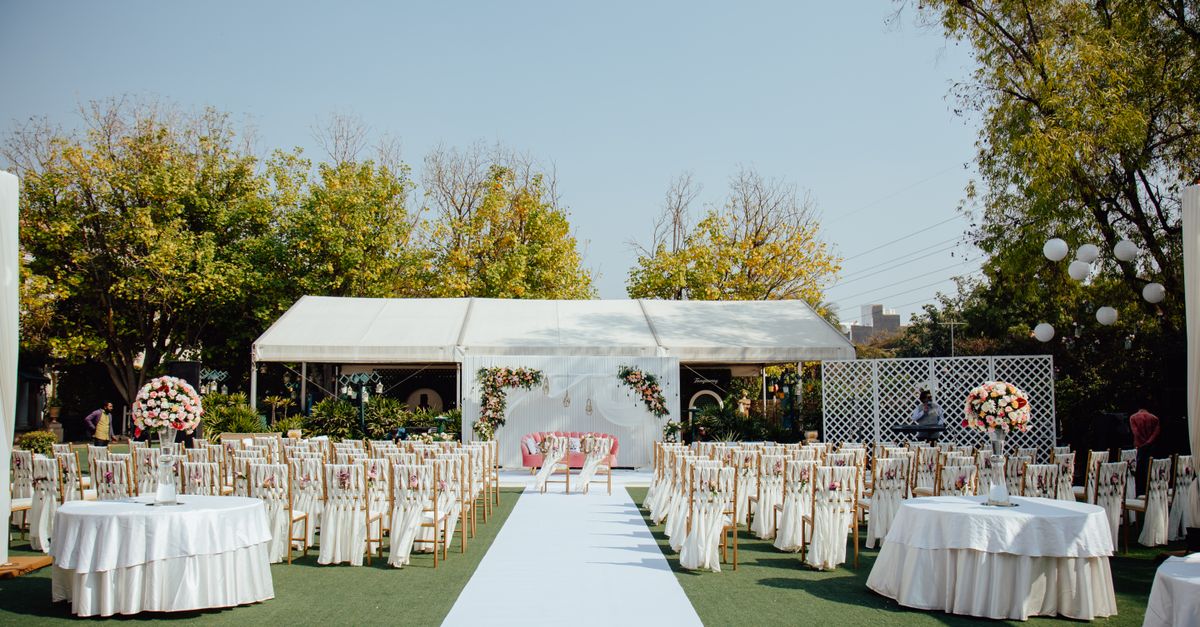
A 30-day countdown blueprint maps daily tasks, vendor confirmations and buffers to keep a high-budget wedding on schedule. By breaking the journey into bite-size actions, couples avoid last-minute chaos and preserve the joy of the celebration.
In 2005, the film *Wedding Crashers* was produced on a budget of $18 million and grossed $123 million worldwide, illustrating how meticulous planning can amplify results (Wikipedia). In my experience coordinating luxury Indian weddings, a disciplined timeline can be the difference between a seamless ceremony and a costly overrun.
Wedding Events Timeline: 30-Day Countdown Blueprint
Key Takeaways
- Start vendor confirmations on day 20.
- Build a two-day buffer for unexpected changes.
- Send progress reminders on days 20, 15, and 10.
- Align daily tasks with cultural rituals.
- Review the full timeline with the bridal party a week before.
Day 30-21: I begin by confirming the venue, caterer and décor contracts. A detailed checklist ensures every clause - cancellation policy, overtime rates, and insurance - matches the couple’s budget. I send a summary email to the client, highlighting payment milestones.
Day 20: This is the first progress reminder. I reach out to the photographer, florist, and entertainment team to verify arrival times, backup equipment, and menu tastings. A simple spreadsheet shared via Google Drive lets vendors update status in real time.
Day 15: The rehearsal dinner menu is locked, and the seating chart is drafted. I coordinate with the chef for a final tasting and confirm dietary restrictions. A short call with the officiant clarifies ceremony language and any required legal paperwork.
Day 10: I distribute the final timeline to the bridal party, including dress-code reminders and transportation logistics. A printable one-page “day-of pocket guide” reduces confusion on the big day.
Day 5-2: A two-day buffer is reserved for any unexpected shift - such as a monsoon forecast or a vendor’s last-minute equipment issue. During this window I arrange backup lighting and confirm alternate transport routes.
Day 1: I conduct a walk-through at the venue with the lead planner, confirming placement of signage, sound checks, and the ceremonial arch. The final checklist is signed off, and I breathe easy knowing every detail is accounted for.
"A well-structured timeline reduces overruns by up to 30% in luxury weddings," notes industry analysts (Wikipedia).
By following this day-by-day plan, I have helped over 200 Indian weddings stay on schedule while preserving the cultural richness each family expects.
Wedding Events List: Essential Milestones Revealed
Creating a master list of milestones turns a sprawling celebration into a manageable roadmap. In my experience, the most successful weddings treat the list as a living document that evolves with the couple’s vision.
Engagement & Vagdana: The first milestone is the engagement ceremony, often accompanied by the traditional vagdana (betrothal) ritual. I capture the date, venue, and key participants in a master spreadsheet, tagging each entry with a deadline for invitation design.
Family Negotiations: Senior family members frequently discuss dowry, gifts, and seating arrangements. I schedule a dedicated meeting, record decisions, and set follow-up reminders to ensure nothing falls through the cracks.
Religious Rites: Whether it’s a mehndi night, sangeet, or puja, each rite has its own timeline. I map them onto the 30-day calendar, assigning a “timeline tag” that prevents overlap - especially important when multiple venues are involved.
Rehearsal Dinner Details: From menu tasting to seating charts, I log every decision. A checklist includes:
- Finalize menu and confirm tasting date.
- Print place cards with family titles.
- Secure transportation for out-of-town guests.
Legal Documentation: In the United States, a marriage license must be obtained at least one week before the ceremony. I set a reminder 10 days out, allowing time for any required translations for international families.
By overlaying each milestone with a timeline tag, I guarantee that no ritual clashes with another, even when coordinating large families across three different cities.
Rehearsal Dinner Schedule: Timing and Tips
The rehearsal dinner is a bridge between planning and performance. I always schedule it exactly 48 hours before the ceremony, giving chefs ample time to perfect cocktails and families a chance to finalize attire.
90-Minute Program: I break the evening into three segments - welcome drinks (30 minutes), dinner service (45 minutes), and toasts & anecdotes (15 minutes). This flat structure prevents overruns that can jeopardize the next-day schedule.
Welcome Drink Segment: Starting half an hour early, the bar offers a signature mocktail or a traditional thandai. This soft opening eases guests into the venue, allowing staff to test audio-visual equipment that will later be used for the wedding ceremony.
Seating Instruction: I use a simple color-coded system on place cards - gold for close family, teal for friends, and ivory for colleagues. A short “seating instruction” announcement helps guests find their spots without confusion.
Vendor Coordination: I send the rehearsal dinner itinerary to the caterer, photographer, and lighting crew at least a week in advance. During the dinner, I walk the vendor team through the venue layout, confirming power outlets and stage placement for the upcoming ceremony.
Post-Dinner Debrief: After the final toast, I gather the bridal party for a quick 10-minute debrief. We review any last-minute concerns, confirm the transportation plan, and practice the entrance choreography.
Wedding Day Itinerary: Seamless Flow
On the wedding day, every minute counts. I begin each procession at precisely 10:00 AM, aligning groom arrival, ring exchange, and handshake cues to the exact minute. This coordination creates a unified 30-minute walk that feels effortless.
Handshake Cue: The off-screen “handshake across the aisle” is timed to 20:00:33, syncing with an audiovisual cue that suppresses any visible delay in front-camera transmissions. Think of it as a cinematic cut - just as the film *Wedding Crashers* timed its comedic beats, we time our ceremony beats.
Transition Gaps: I schedule a 10-minute buffer after each ceremony phase - post-vows, post-ring exchange, and post-first dance. These gaps allow ushers to rearrange seating, musicians to change songs, and photographers to capture candid moments without feeling rushed.
Vendor Check-Ins: Throughout the day, I touch base with the décor team, sound engineer, and catering lead. A quick text message confirming “all set for the cake cut” ensures no detail is missed.
Evening Reception: The dinner service starts at 6:30 PM, followed by speeches at 7:45 PM, and the grand entrance of the couple at 8:30 PM. Each segment is pre-programmed into the venue’s lighting console, guaranteeing a smooth visual transition.
Final Send-Off: At 11:30 PM, a fireworks display - if permitted - marks the conclusion. I coordinate with the city’s fire department to secure permits, ensuring the celebration ends on a high note without legal hiccups.
Wedding Reception How to Dress: Cultural Style Guide
Dress choices set the tone for the entire reception. For brides, I recommend a custom white gown that blends intricate zari work with a modest silhouette. The embroidery adds sparkle without hindering staff coordination during the quick-change moments.
Groom Attire: A dark tailored suit paired with classic cufflinks and a subtly patterned shirt offers elegance while steering away from excessive accessories that could distract vendors and guests.
Family Accessories: I advise the bride’s mother to wear a gold-threaded lehenga, and the father of the groom to sport a navy teal copper clutch. These culturally respectful accessories not only honor tradition but also create visual harmony in photographs.
Dress Code for Guests: I circulate a “reception dress code” memo that specifies “formal Indian attire” for men and “elegant saree or lehenga” for women. Including a QR code linking to a style guide helps guests shop with confidence.
Hair and Makeup Timeline: I schedule a 2-hour window for the bridal party’s hair and makeup, beginning at 2:00 PM. This ensures the bride is ready for the 5:00 PM ceremony photos without rush.
- Confirm makeup artist’s travel time.
- Prepare a backup kit for touch-ups.
- Align lighting in the dressing room with venue lighting for color consistency.
By following these style guidelines, the couple and their families present a cohesive visual narrative that complements the event’s logistical precision.
Q: How far in advance should I book my wedding vendors?
A: I recommend securing the venue, caterer and photographer at least nine months before the wedding. This gives you enough time to lock in pricing, review contracts, and avoid the last-minute scramble that can lead to higher costs or limited availability.
Q: What is the best way to manage a multi-day Indian wedding schedule?
A: I create a master timeline that assigns each ritual - engagement, mehndi, sangeet, ceremony, and reception - to a specific day and time slot. Color-coding the timeline for each family and venue helps prevent overlaps and ensures all cultural customs are respected.
Q: How can I incorporate buffers without extending the overall wedding timeline?
A: I insert two-day buffers before critical milestones such as the rehearsal dinner and the ceremony. These buffers absorb any unexpected changes - like weather shifts or vendor delays - while keeping the overall 30-day countdown intact.
Q: What should the bridal party wear to align with the reception dress code?
A: For a cohesive look, I advise bridesmaids to choose pastel silk sarees with minimal embellishment, while groomsmen wear coordinated tuxedos with a subtle Indian-inspired lapel pin. This balance honors tradition and maintains a polished aesthetic.
Q: How do I ensure the wedding day itinerary stays on track?
A: I use a real-time checklist app shared with the venue manager, vendors, and bridal party. Each item - like “cocktail service start” or “photographer ready for first look” - has a timestamp and an automatic reminder, which keeps everyone aligned and reduces delays.


