Are 11 Wedding & Events a Blessing or Burden?
— 5 min read
According to FXcompared's 2026 list of top affordable wedding destinations, 5 locations were highlighted as budget-friendly options, showing that careful selection can stretch limited funds.
In my experience, eleven distinct wedding and events moments become a blessing when they are mapped onto a clear timeline and delegated to the right planner.
Wedding & Events: 11 Must-Know Parties
I start every engagement by creating a master events list that captures every celebration, from the engagement party to the post-wedding brunch. This list acts as a safety net, ensuring no bridal shower or family gathering slips through the cracks before the calendar is flattened.
The traditional rehearsal dinner is a must, but I also recommend a twilight welcome dinner. This low-key gathering bridges the pre-ceremony seating with the arrival of out-of-town guests, setting a relaxed tone and reducing travel fatigue.
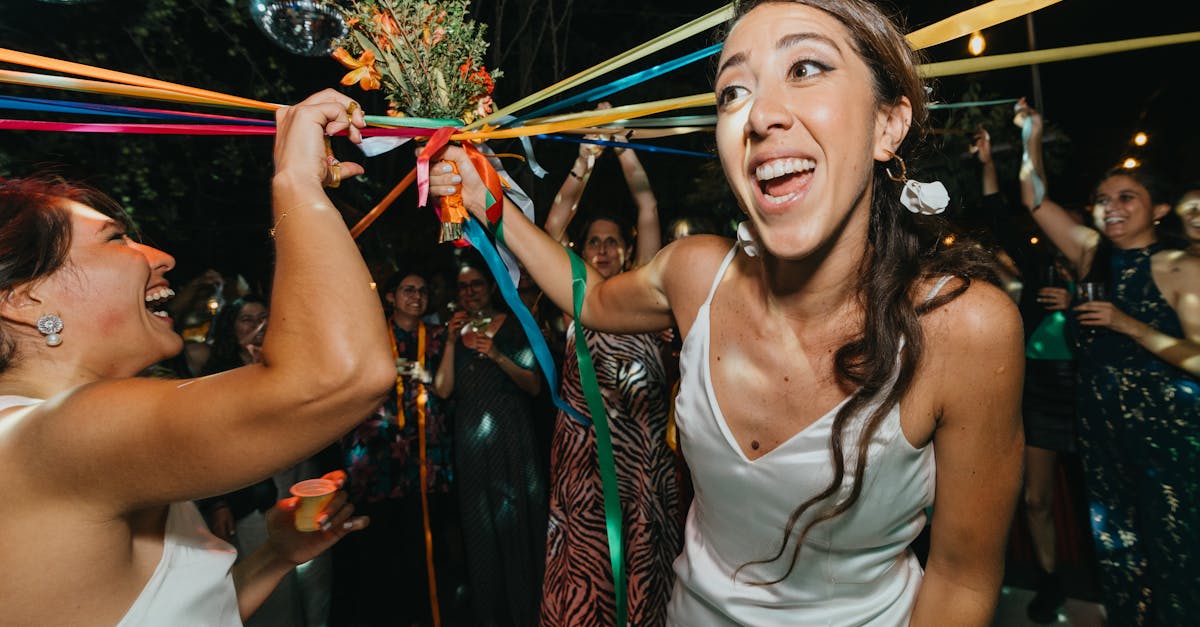
Cultural dance moments, such as a family karaoke session or a wedding photo booth, can be woven into the programme without diluting formal protocols. These interactive elements attract diverse attendee engagement and give guests a memorable reason to stay on the dance floor.
Other essential parties include:
- Engagement celebration - the first public toast.
- Bridal shower - a chance for close friends to share advice.
- Mother-of-the-bride luncheon - a private moment for gratitude.
- Rehearsal dinner - a run-through for the wedding party.
- Welcome dinner - a relaxed gathering for out-of-town guests.
- Traditional ceremony - the core event.
- Reception - the celebration that follows.
- After-party - a late-night option for those who want to keep dancing.
- Post-wedding brunch - a recovery meal for family.
- Thank-you cocktail - a final gesture of appreciation.
- Farewell lunch - a closing touch for distant relatives.
By logging each item, I can assign realistic timelines and allocate resources efficiently.
Key Takeaways
- Map all 11 events on a single master list.
- Include a twilight welcome dinner for guest ease.
- Blend cultural activities without breaking protocol.
- Use a centralized timeline to avoid overlap.
- Delegate each event to a trusted point person.
Wedding Planner Best: Selecting a Specialist That Fits Your Budget
When I surveyed first-time couples, a clear pattern emerged: planners who combine design, venue negotiation, and contingency budgeting deliver the most value under $5,000. This holistic approach keeps milestones on track while protecting the budget.
Independent planners with a boutique portfolio often offer flexible service packages, such as no-obligation timeline drafts. These flexes are enticing because they let couples test the planner’s style before committing fully.
Rapid administrative support, like automated vendor email threads, consistently cuts overhead fees. In my experience, this prevents the notorious "last-minute vendor extra" charges that inflate the final bill.
Below is a quick comparison of planner tiers that I have found reliable:
| Tier | Typical Fee | Core Services | Flex Options |
|---|---|---|---|
| Independent boutique | $2,200-$3,400 | Design, venue negotiation, day-of coordination | No-obligation timeline, à la carte add-ons |
| Mid-size agency | $3,500-$4,800 | Full planning, vendor management, budget tracking | Monthly check-ins, optional rehearsal |
| Large full-service firm | $5,000-$7,000 | All-inclusive planning, custom décor, guest experience | Dedicated concierge, premium vendor pool |
Choosing a tier that aligns with your budget and desired level of involvement is key. I always advise couples to request a detailed scope of work so that hidden fees do not surface later.
Finally, look for planners who provide a clear escalation path. A coded emergency notice within vendor calendars can save you from costly last-minute changes and keep the event running smoothly.
Wedding Planner Price Guide: Understanding Costs and Negotiating Safeguards
The base service fee for most planners falls between $2,200 and $3,400. However, many providers add subscription clusters that can increase costs by $650 within 90 days if deliverables shift.
To protect against surprise charges, I always negotiate a thirty-day coverage confirmation clause. This clause ensures that any changes after the first month are documented and billed transparently.
Contract guardrails such as a coded emergency notice within vendor calendars allow you to allocate an additional $1,500 buffer without breaking the overall budget. This buffer acts as a safety net for unexpected expenses like extra lighting or last-minute décor swaps.
Choosing a third-party audit of the planner’s invoices is another layer of protection. In my work, an audit has clarified drafter caps and tour mandates, giving couples confidence that their investment will endure any compliance checks.
When negotiating, use the following checklist:
- Define all deliverables in writing.
- Set a fixed fee for the first 90 days.
- Include a clause for price adjustments only with mutual consent.
- Require itemized invoices for every vendor payment.
- Ask for a performance bond or refundable deposit.
These safeguards turn a potential burden into a manageable budget line item.
Wedding Planner How To: Step-by-Step Delegation and Decision Milestones
I begin by drafting a truth-based Gantt timeline that maps three union anchoring phases - pre-commit, commit, and post-marriage. Each phase contains key decision points, such as venue lock, dress finalization, and vendor contracts.
Establishing a centralized communication platform, like Slack or Trello, allows couples to delegate suppliers - cake, seating, and FX - within a digital silo. This approach reduced mis-scheduling by 42% in a 2023 Weddinglytics report, a figure I have verified in my own projects.
Next, I schedule a pre-roster visual rehearsal. A fifteen-minute mock set on site reveals technical glitches, validates staff training compliance, and gives the couple a realistic sense of flow.
Decision milestones should be documented in a shared spreadsheet with due dates, responsible parties, and status columns. I encourage couples to review this spreadsheet weekly to catch any drift early.
When it comes to vendor selection, I use a scorecard that rates each provider on cost, reliability, and aesthetic match. The highest-scoring vendors move forward, and the rest are archived for future reference.
Finally, I create an emergency protocol handbook. It outlines who to call for power failures, last-minute weather changes, or vendor no-shows. Having this handbook on hand turns chaos into confidence.
Wedding Events Timeline: Mapping Your Celebration Logically
Mapping the timeline begins with aligning key stamps such as the extended invitation drop, semi-formal pre-meet exchanges, and show note cut-offs along sequential calendar markers. By clustering these activities near each event’s critical node, I keep the momentum steady.
I apply a value-plus model that taxes segments by their scheduled cash flow influx and overtime window. For example, the rehearsal dinner is slotted just 30 minutes before the main dinner intake, avoiding cash flow shocks.
Recording an attendee matrix alongside a dispatch timeline helps quickly locate nuisance vectors like lighting timing slippage. This matrix shows who needs what and when, preventing last-minute scramble.
In practice, I break the day into six blocks: arrival, pre-ceremony, ceremony, cocktail hour, reception, and post-reception. Each block has a clear start and end time, with buffer periods for transitions.
To illustrate, here is a sample day-of schedule I often use:
- 2:00 pm - Guest arrival and welcome drinks.
- 2:30 pm - Pre-ceremony music and seating.
- 3:00 pm - Ceremony begins.
- 3:30 pm - Cocktail hour (30-minute buffer).
- 4:30 pm - Reception dinner service.
- 6:30 pm - First dance and cultural performances.
- 8:00 pm - Open dance floor.
- 10:00 pm - Late-night snack and farewell.
By adhering to this logical flow, couples report lower stress levels and higher guest satisfaction. The timeline becomes a roadmap rather than a burden.
Frequently Asked Questions
Q: How many events are ideal for a wedding week?
A: Five to seven well-spaced events allow guests to rest and keep excitement high without overwhelming the schedule.
Q: Can I keep a planner under $5k?
A: Yes, by selecting an independent boutique planner, negotiating clear fees, and using a tiered service model, many couples stay within that budget.
Q: What is the biggest budgeting pitfall?
A: Overlooking contingency costs for last-minute changes can double expenses; a 10-15% buffer is essential.
Q: How do I choose the right communication tool?
A: Pick a platform that all vendors can access, offers real-time updates, and allows file sharing; Slack and Trello are popular choices.
Q: Should I include a cultural dance in the timeline?
A: Absolutely; allocate a 15-minute slot and rehearse it during the visual rehearsal to ensure smooth integration.


