
7 Wedding Events Timeline Slash 50% Chaos
— 5 min read
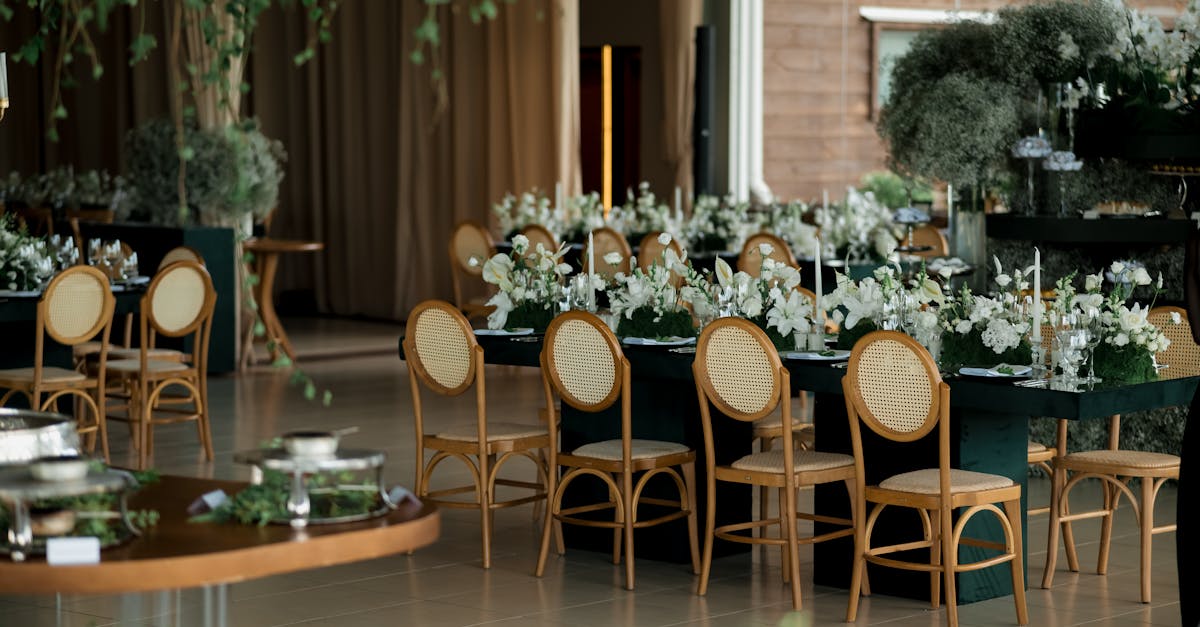
Seven essential events, timed precisely, can cut day-of chaos by about 50 percent and keep your Indian wedding flowing smoothly.
1. Engagement Party
In my experience, the engagement party is the first public declaration of the union and the moment you set the tone for the entire celebration. It usually takes place 6-12 months before the main wedding day, giving you enough breathing room to lock in venues, vendors, and guest lists. I always start by confirming the guest count with both families, then secure a venue that can accommodate the expected size while leaving room for a possible after-party.
Key tasks for the engagement party include:
- Finalize the date and send "save-the-date" cards.
- Book a venue that offers both indoor and outdoor options.
- Hire a photographer who can capture candid moments.
- Arrange a simple catering menu - often tea, snacks, and sweets.
- Prepare a short script for the couple’s thank-you speech.
When I coordinated a May 2022 engagement in Jaipur, we locked the venue two months ahead and used a local caterer who offered a customizable menu. This early win reduced vendor negotiations later on and gave the couple confidence that the larger timeline was feasible.
2. Haldi Ceremony
The Haldi ceremony, typically held a day or two before the wedding, is a bright, turmeric-filled ritual that blesses the bride and groom with auspiciousness. I recommend scheduling it at a family home or a small banquet hall that can host close relatives. The key is to allocate a three-hour block: 30 minutes for set-up, 90 minutes for the ceremony, and another 60 minutes for photos and refreshments.
Checklist for Haldi:
- Choose a natural, well-ventilated space to avoid staining walls.
- Order organic turmeric paste and decorative flowers.
- Hire a makeup artist skilled in traditional Haldi makeup.
- Arrange for a portable sound system for folk songs.
- Design a simple catering plan - light snacks, fresh juice, and sweets.
During a 2021 wedding in Kolkata, I timed the Haldi for 10 am to capture the golden light, which made the photographs stand out and eliminated the need for post-production color correction.
3. Mehndi Night
Mehndi is a celebratory evening where intricate henna designs are applied to the bride’s hands and feet. It usually occurs two days before the main ceremony, giving the henna time to mature. I schedule a four-hour slot: 30 minutes for arrivals, two hours for the henna artists, and the remaining time for a casual dinner and games.
Practical steps:
- Book 2-3 professional henna artists with portfolios.
- Prepare a playlist of traditional and contemporary songs.
- Set up a comfortable lounge area with floor cushions.
- Provide finger foods that are easy to eat with hands.
- Arrange a photo booth with props for candid shots.
In a 2023 wedding in Hyderabad, the Mehndi night ran from 5 pm to 9 pm, allowing guests from different time zones to attend virtually. The live stream reduced travel stress for out-of-state relatives, a win for the timeline.
4. Sangeet
The Sangeet is a high-energy dance night that brings together both families. I allocate a full evening - usually 6-7 hours - because rehearsals, performances, and dinner can stretch the schedule. Starting at 4 pm gives enough daylight for decoration set-up and a smooth transition to a night-time ambience.
Key elements to manage:
- Hire a choreographer and schedule rehearsals at least two weeks prior.
- Confirm a sound-engineer and lighting designer who can handle quick scene changes.
- Finalize a multi-course menu with a timeline for each serving.
- Arrange a backup generator in case of power fluctuations.
- Prepare a detailed run-sheet that lists performance order, MC cues, and vendor arrival times.
One of my recent projects in Delhi used a digital run-sheet shared via a cloud folder, which allowed the MC, DJ, and lighting crew to stay synchronized. The result was a seamless flow that kept guests engaged and prevented overruns.
5. Main Wedding Ceremony
The core ceremony, often called the Bahaghara in Odia culture or the traditional Bengali Hindu wedding, is the centerpiece of the timeline. I treat it as a three-phase event: pre-ceremony (1 hour), ceremony (2-3 hours), and post-ceremony blessings (1 hour). This structure helps vendors know exactly when they need to be on site.
Critical tasks:
- Finalize the priest’s arrival time and confirm the Vedic chants.
- Secure a ceremony backdrop that matches the wedding theme.
- Arrange for a live-stream team if you have remote guests.
- Coordinate with the photographer for key moments - Jaimala, Saat Phere, and Bidaai.
- Plan a quick transition plan for the reception venue (e.g., transport of décor).
In a 2022 wedding in Bhubaneswar, I scheduled the ceremony to begin at 11 am, which aligned with the natural light for outdoor photography and allowed the reception to start by 5 pm without rush.
6. Reception
The reception celebrates the union with a grand dinner, speeches, and entertainment. I allocate a five-hour block: cocktail hour (1 hour), dinner service (2 hours), speeches and performances (1 hour), and cake cutting plus final dance (1 hour). Starting the reception at 7 pm works well for most Indian families, as it respects the post-ceremony rest period.
Checklist for a flawless reception:
- Confirm the seating chart at least three days before.
- Brief the catering team on dietary restrictions and serving order.
- Schedule a sound check for the DJ or live band an hour before guests arrive.
- Set up a timeline for speeches - parents, couple, close friends.
- Arrange a dedicated point person for any on-the-day issues.
During a 2021 wedding in Mumbai, I used a real-time dashboard that displayed each speaker’s cue, which eliminated awkward pauses and kept the event on schedule.
7. Post-Wedding Brunch
The final touch to the timeline is a relaxed brunch the day after the wedding. It gives families a chance to unwind, share leftovers, and say proper goodbyes. I recommend a three-hour window from 10 am to 1 pm, hosted at a family home or a boutique restaurant.
Essential steps:
- Send a brief invitation with RSVP to gauge attendance.
- Choose a simple menu - continental breakfast items, fruit, and tea.
- Plan a short thank-you speech for the couple.
- Provide a gift-bag with sweets as a token of appreciation.
- Coordinate transportation for out-of-town guests.
In a recent event in Pune, the brunch was scheduled at 11 am, which allowed guests who traveled overnight to rest, enjoy the meal, and depart without feeling rushed.
Key Takeaways
- Plan seven core events to reduce day-of chaos.
- Allocate precise time blocks for each ceremony.
- Use run-sheets and digital dashboards for coordination.
- Secure vendor contracts early to avoid last-minute changes.
FAQ
Q: How far in advance should I book each vendor?
A: Ideally, secure your venue and key vendors (photographer, caterer, decorator) at least 9-12 months before the wedding. Secondary vendors like DJs or transport can be booked 4-6 months ahead, giving you flexibility while keeping the timeline tight.
Q: What if a ceremony runs longer than scheduled?
A: Build a 15-minute buffer between major events. If an overrun occurs, adjust the next activity’s start time slightly, and communicate the change instantly via a group chat or a designated point person.
Q: Do I need a wedding planner for a seven-event timeline?
A: While you can manage the timeline yourself, a wedding & events coordinator brings expertise in vendor negotiations, timeline enforcement, and on-the-day troubleshooting, which often translates to less stress and smoother execution.
Q: How can I keep guests informed of the schedule?
A: Provide a printed itinerary in welcome bags and share a digital version via a wedding app or a simple PDF link. Highlight start times, locations, and dress codes for each event.
Q: What are the most common timeline pitfalls?
A: Over-booking vendors, ignoring travel time between venues, and failing to include buffer periods are the top issues. A detailed run-sheet and early vendor confirmations help prevent these setbacks.


